Table of contents
For thousands of people each year, citizenship is not a birthright but a bureaucratic maze, shaped by war, divorce, employment moves, and political upheaval. Over the past decade, governments have tightened screening, digitalised files, and expanded security checks, and the result is a process that can stretch from months into years depending on the route and the applicant’s history. Behind every form sits a story, often messy, sometimes urgent, and rarely captured by the official timelines published on government websites. What follows are real-world patterns that make citizenship processes so complicated, and what applicants learn the hard way.
When paperwork decides someone’s whole life
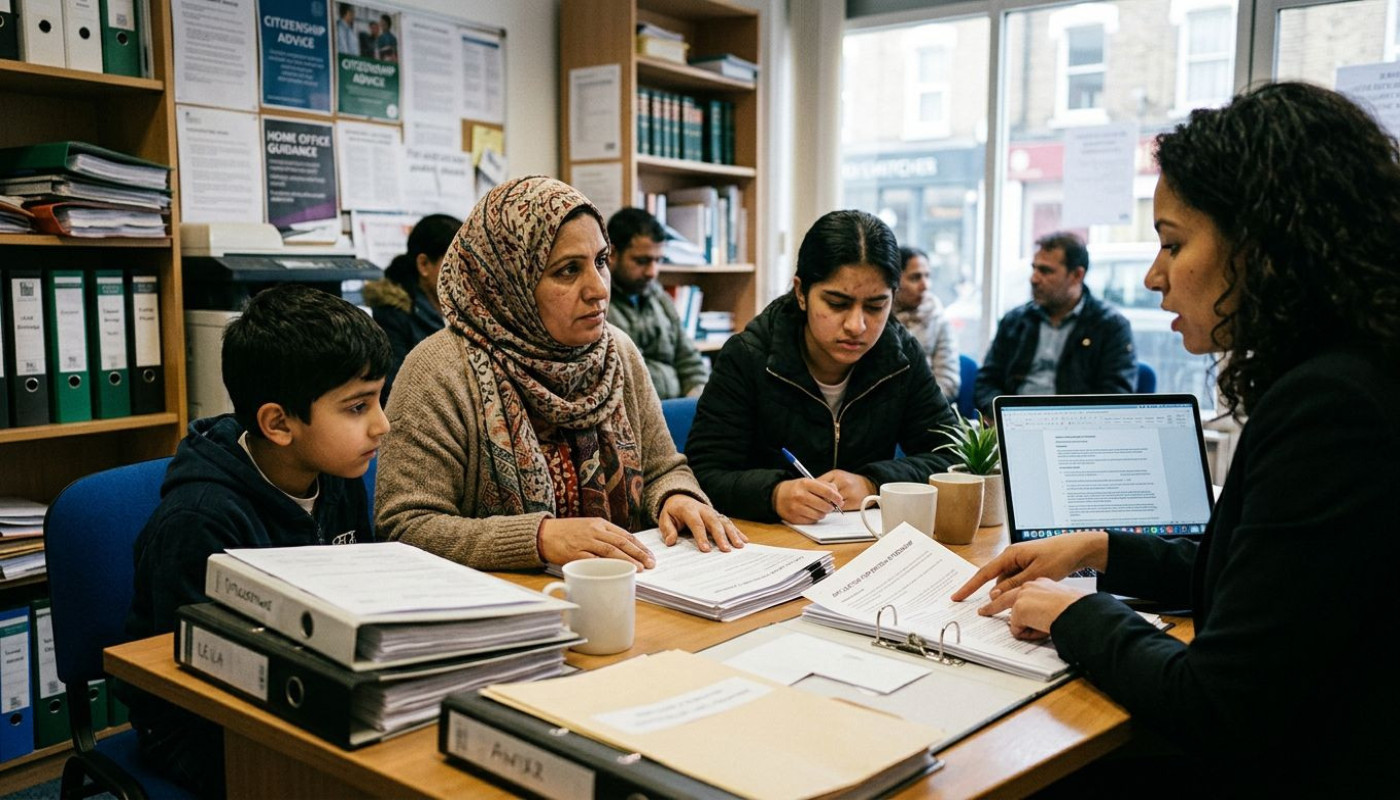
How can one missing document derail everything? In practice, citizenship pathways often hinge on proof that looks straightforward on paper, yet becomes difficult once families cross borders, change names, or lose records during crises. Naturalisation files routinely require birth certificates, police clearances, and evidence of residence, and each item must match across countries that do not share databases, do not use the same transliteration rules, and sometimes do not even keep archives reliably for older records.
Journalists who cover migration regularly hear the same refrain from lawyers and advocacy groups: administrative friction is not a side issue, it is the story. In the United States, for example, USCIS data show that median naturalisation processing times have fluctuated markedly over the last decade, with the agency reporting periods where the typical wait moved well beyond a year for many field offices, largely because of backlogs, staffing, and security vetting. In the United Kingdom, the Home Office publishes service standards, yet applicants still face long waits when files trigger additional checks, and in France, prefecture appointments can become a bottleneck long before the merits of a case are even examined. The practical effect is that people often live in “in-between” status, unable to vote, sometimes constrained in travel, and frequently uncertain about long-term planning.
Complications multiply for those whose identities evolved. A woman who changed her surname through marriage, then divorced and reverted; a person born in one country to parents from another, who later moved again; a refugee who fled without documents; an adopted adult searching for original records. Each life event creates a new point of potential mismatch, and because many administrations prioritise consistency over explanation, a credible story can still fail if the paperwork does not align perfectly. Even when systems offer discretion, an applicant may need notarised translations, apostilles, certified copies, and sworn statements, and those costs add up quietly, especially when a single missing record forces repeat applications.
The long shadow of background checks
Security vetting is the part few officials discuss openly. Yet it shapes timelines more than applicants expect, and it can change mid-process when geopolitics shifts. Many countries run multi-layer checks that combine criminal records, counter-terrorism screening, sanctions lists, and in some cases intelligence referrals, and the trigger for extra scrutiny can be as simple as common names, travel to certain regions, or inconsistent address histories.
In Canada, Immigration, Refugees and Citizenship Canada has historically reported significant variation in processing times depending on case complexity, and the agency’s public dashboards show that “routine” cases move far faster than those requiring additional verification. In Australia, where citizenship is tied to permanent residence and character requirements, applicants can find their files paused while external agencies respond. Across Europe, where the Schengen area enables easy movement but not shared citizenship rules, states have expanded checks on “genuine links” and financial transparency, partly in response to concerns raised by the European Commission about residence and citizenship-by-investment programmes. Even when someone has lived peacefully for years, governments increasingly treat citizenship as a national security decision, not merely an administrative upgrade.
For applicants, the hardest element is the opacity. Authorities rarely disclose which check caused a delay, because doing so could reveal methods, and that leaves people guessing, refreshing portals, and calling helplines that cannot provide specifics. Lawyers often advise clients to prepare for this uncertainty by building a meticulous “evidence trail”: consistent addresses, clear employment records, and a detailed travel history that matches stamps, tickets, and permits. It sounds simple until real life intrudes, with cash jobs, informal housing, and emergency travel creating gaps that are common, yet difficult to document years later.
Citizenship by investment: speed, scrutiny, and price tags
Money does not eliminate complexity, it changes its shape. Citizenship- or residence-by-investment routes are often marketed around efficiency, but they still involve due diligence, document authentication, and evolving compliance standards. The difference is that timelines can be more predictable, while the financial outlay becomes the central question applicants must answer before anything else: how much does vanuatu citizenship cost.
Vanuatu is frequently cited because its citizenship programme has been positioned as a faster alternative for certain applicants seeking mobility, diversification, or a contingency plan, yet the broader global trend is toward tighter rules and heavier scrutiny. In recent years, the European Union has pressed some states to harden controls, and the OECD has warned about risks linked to misuse of investor programmes, particularly around tax transparency and identity laundering. As a result, due diligence providers have expanded screening, and applicants can find that a case that looks “simple” becomes complicated by source-of-funds questions, corporate structures, or banking compliance. In other words, speed on paper can still collide with the reality of anti-money-laundering checks.
Costs are not only the headline contribution or donation. Real budgets often include agent fees, government processing fees, due diligence fees, passport issuance, translations, notarisation, couriering of originals, and potential travel for biometrics, and because rules can change quickly, timing matters. People who rush may pay more for fast-track services, while those who wait may face revised thresholds or added requirements. The journalistic through-line here is not that one route is “easy” and another is “hard”, but that complexity migrates: traditional naturalisation burdens applicants with years of residence and integration tests, while investment pathways compress time yet demand financial transparency and documentation that can be just as demanding.
The hidden costs: time, uncertainty, and stalled plans
What does citizenship really buy, beyond a passport? For many, it is stability: the ability to stay put, to travel without fear of being denied re-entry, to accept a job without visa constraints, to reunite with family, and to stop living under renewable permits. Yet the emotional and economic costs of waiting are rarely counted in official fee schedules, even though they shape lives as decisively as any legal requirement.
Consider the knock-on effects of prolonged processing. Some employers hesitate to sponsor promotions or overseas assignments when an employee’s status is unresolved, and some banks apply stricter compliance controls to customers with complex immigration histories, especially when documentation spans multiple jurisdictions. Families delay property purchases, postpone schooling decisions, and avoid travel for funerals or weddings because re-entry rules feel uncertain. For those who came as children, the psychological toll can be acute: they may be culturally integrated, yet legally precarious, and each bureaucratic delay reinforces the sense of being perpetually temporary.
There is also the question of unequal navigation. Applicants with money can hire lawyers, translators, and consultants, and they can take time off work to attend appointments, while others miss deadlines because letters arrive late, portals crash, or they cannot afford certified copies. Governments often insist that citizenship is a privilege, and legally that is correct in many systems, but the practical outcome is that administrative design can become a gatekeeper, rewarding those with resources and punishing those without, even when eligibility is similar. The sharpest reporting on citizenship processes tends to focus on this gap, because it is where the policy meets daily reality.
Planning the next step, without illusions
Start with a calendar, not a dream. Book consultations early, build a document checklist, and keep digital and paper copies. Budget beyond official fees, including translations and notarisation, and set aside funds for unexpected re-requests. Where available, use government trackers and appointment systems, and ask about fee waivers or local legal aid for low-income applicants.
Similar articles

From Local To Global: How Notices Travel Through Interpol

Behind Every High-occupancy Listing: The Hidden Impact Of Smart Platforms

Where to buy a Fred ring in the Caribbean?

Unveiling Ancient Architectural Wonders of the World

Escaping to Nature: The Hidden Charm of Rural Tourism
